Multimedia Project | 2024–2026
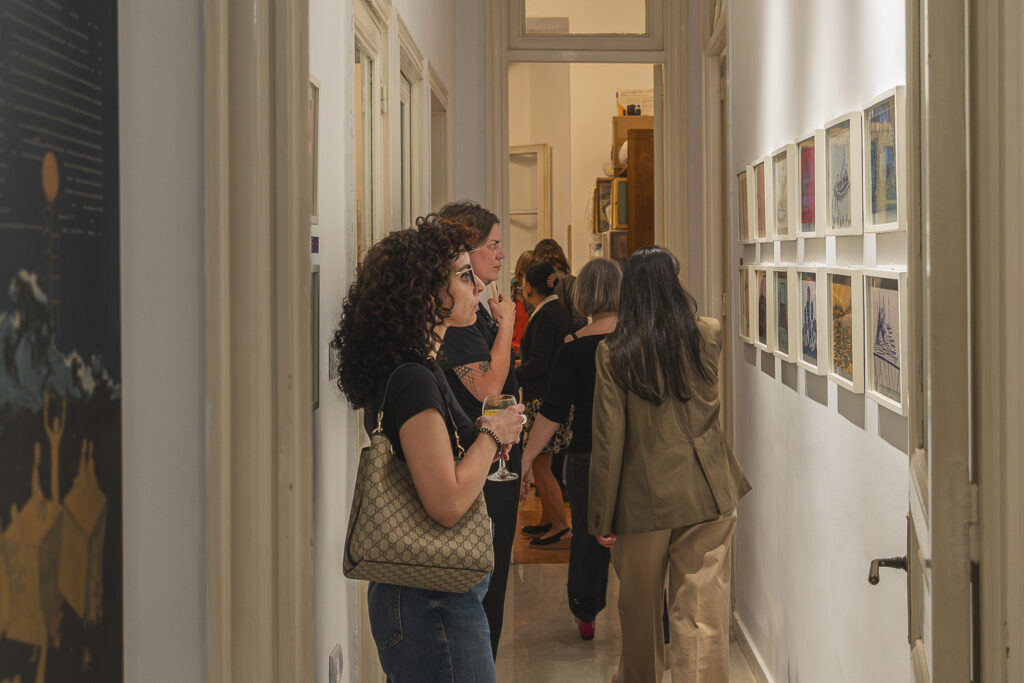
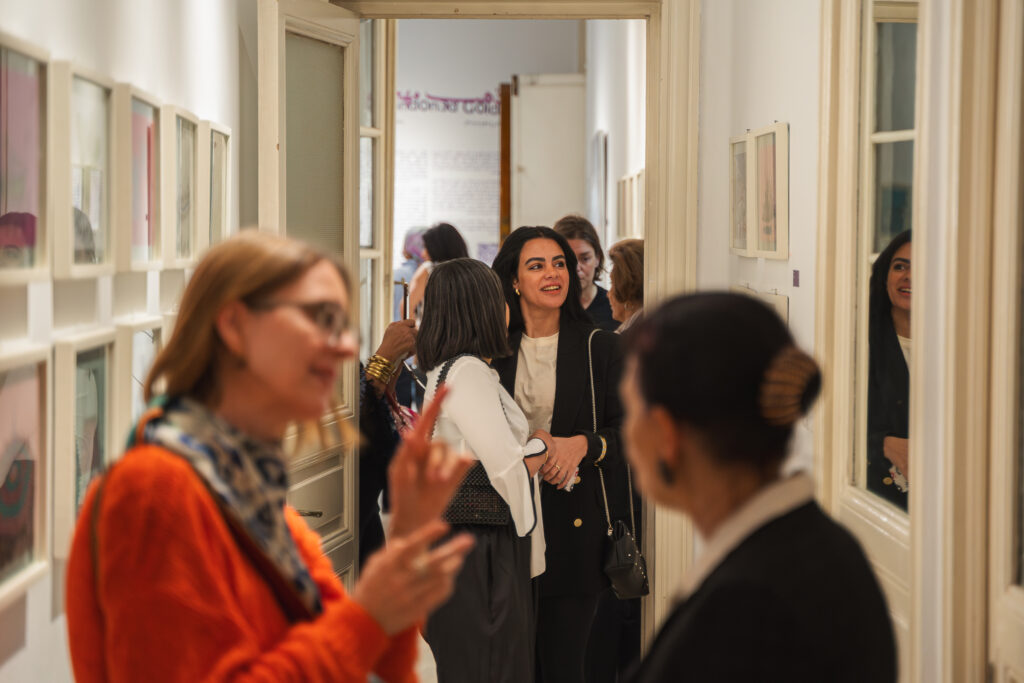
Currently on view at Mashrabia Gallery for Contemporary Art, Downtown Cairo, untill 25 May.
“Improvised nature currencies reflected the fragility of economic systems and the human capacity to assign worth to things” Maghraby
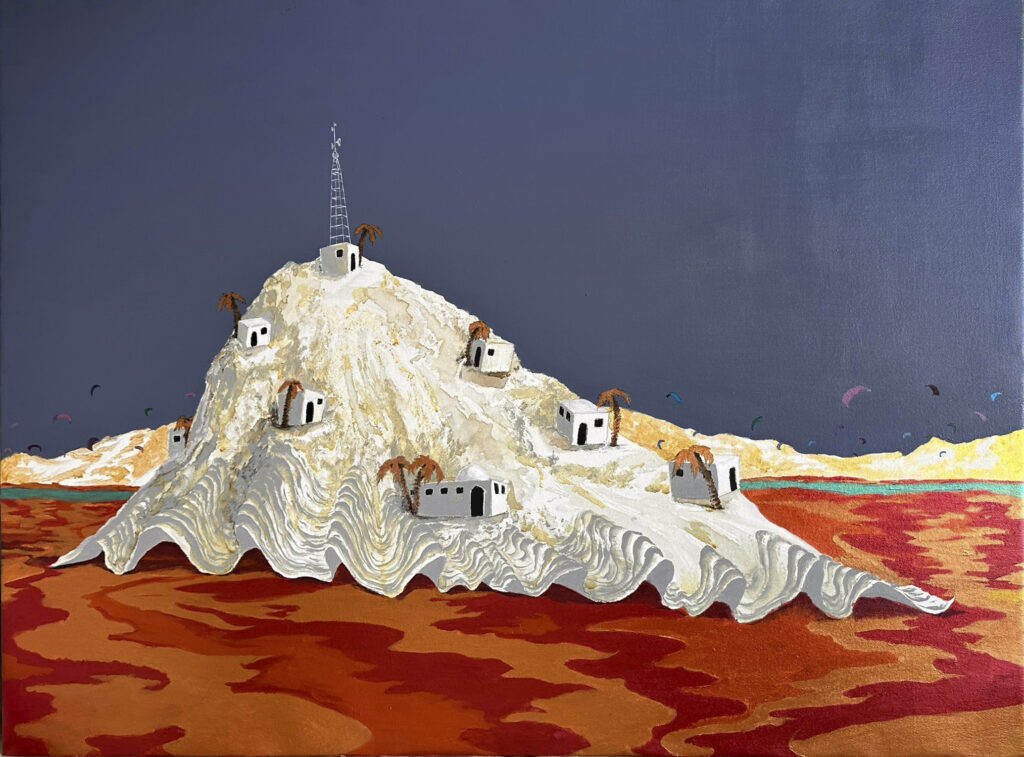
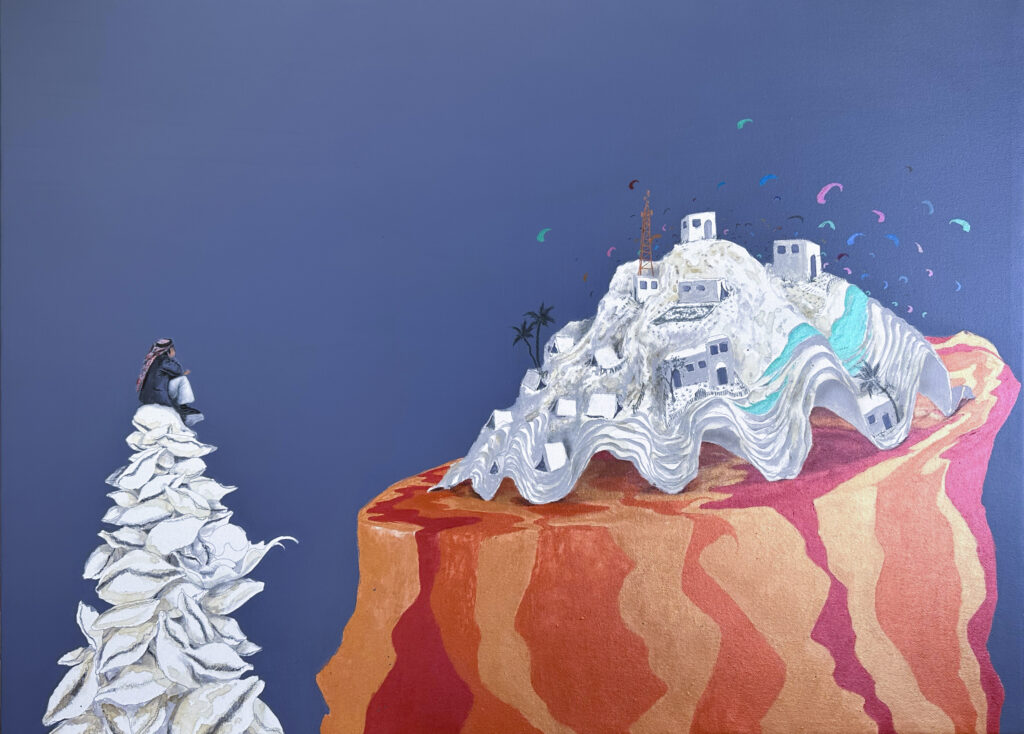
In his project “Abandoned Gold”, Amr Maghraby positions the seashells as a focal point within expansive research paths to re-read the history of human exchange. He presents them as the most ancient form of currency that endured for thousands of years, where they were utilized in daily transactions and regarded as “sea gold,” becoming the vital engine for trade across continents.
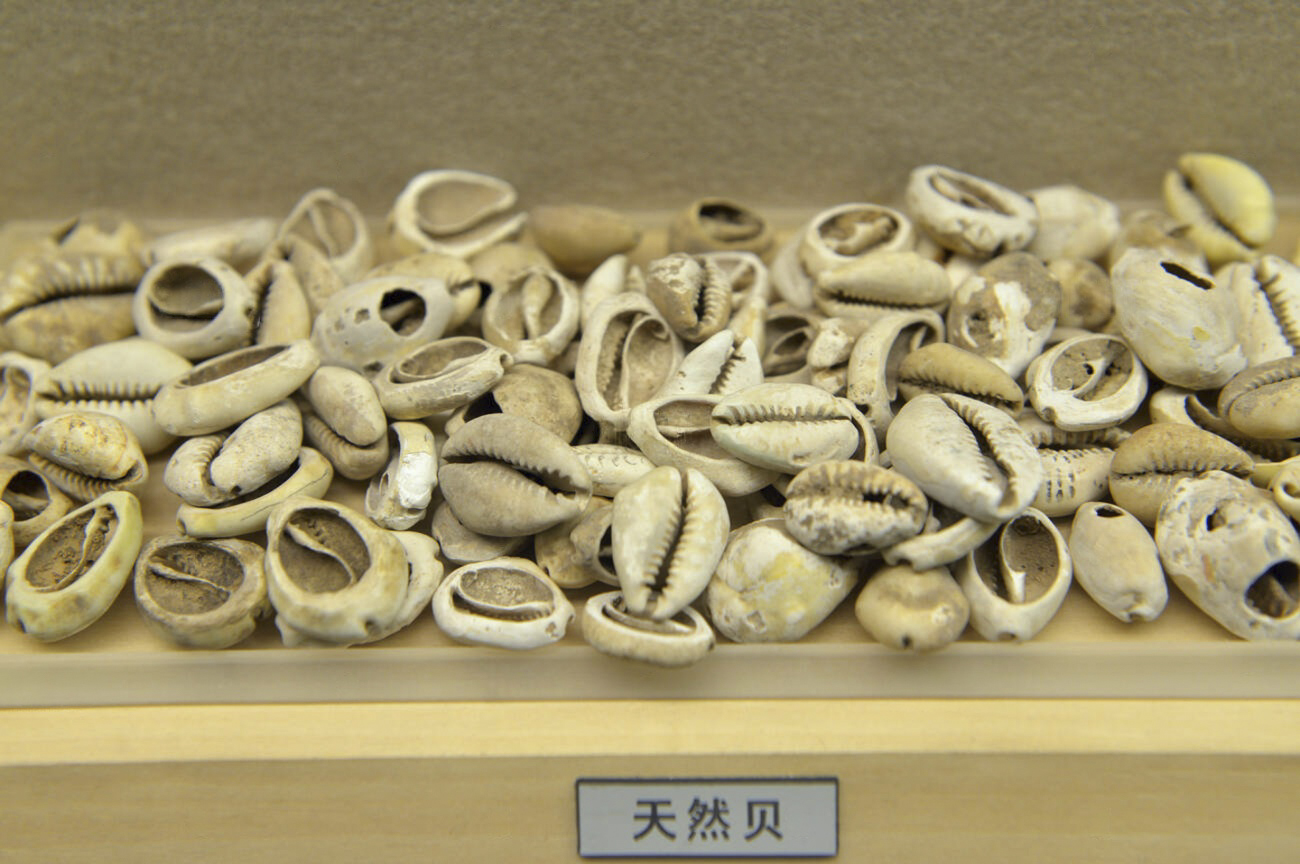
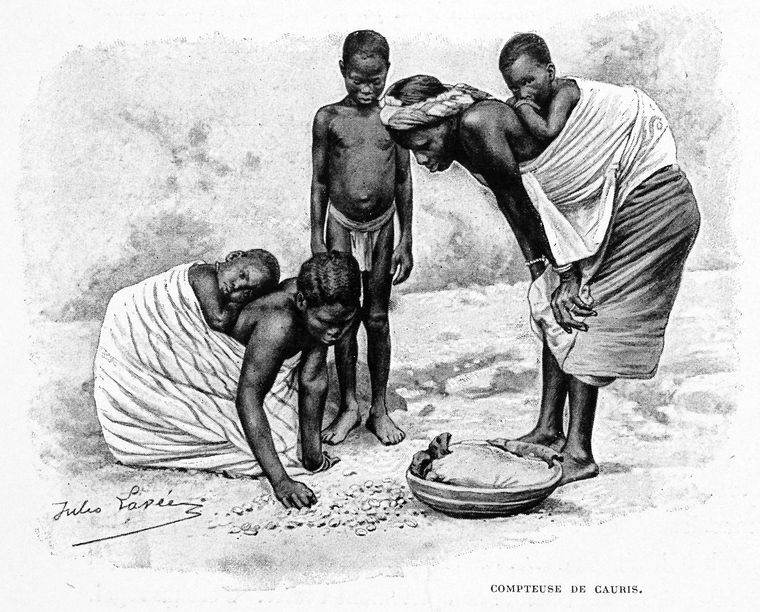
Drawing inspiration from the ancient use of sea shells as one of the earliest forms of money and value systems, used for roughly 2,000 years across West Africa, especially in regions now known as Nigeria, Ghana, and Mali. Where they functioned as a standard currency in trade networks.
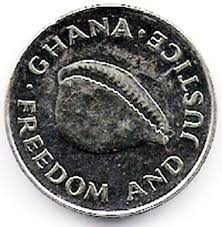
The word cedi is derived from the Akan word for a small shell (cowrie)
They were also used across South and East Asia, including China, India, and the Maldives as a major export hub.
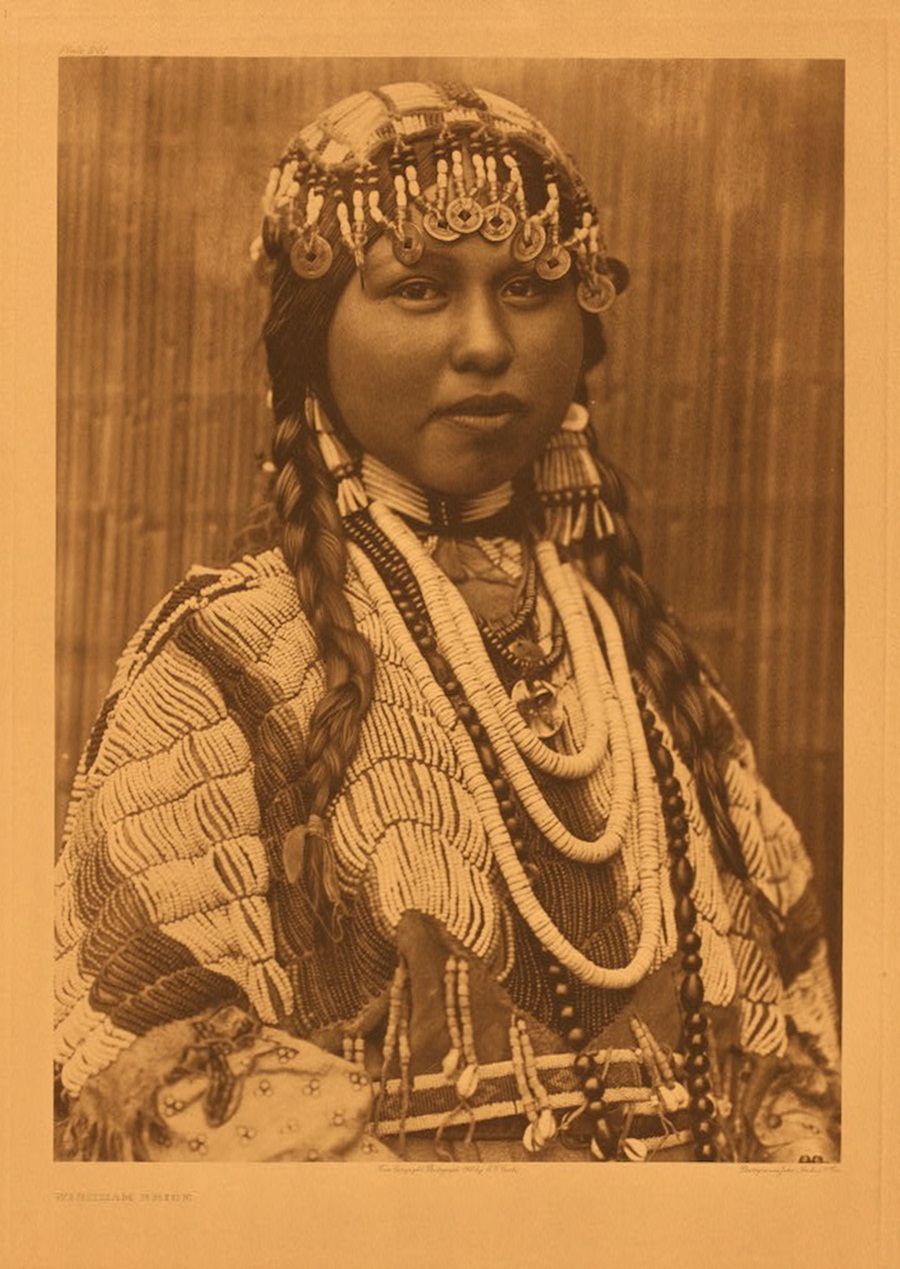
Their global use peaked between the 9th century and the mid-19th century, before being gradually replaced by gold, silver, and colonial monetary systems. This transition is echoed in 1941 New Guinea, when Japan flooded local markets with shells to destabilize their value, revealing how currency can be manipulated and redefined.
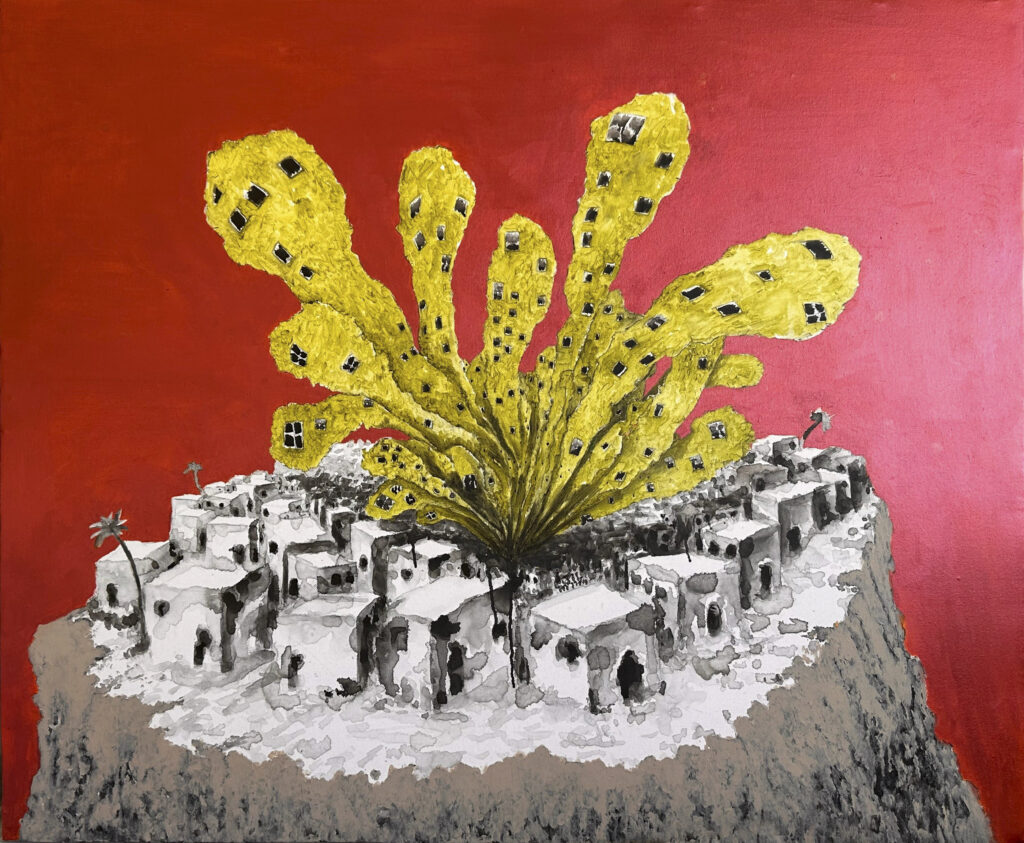
The project interrogates the concept of “value” within the current moment of transformation, and whether it is in the process of being transferred to ether gold after humanity consumed the value of the sea and land’s gold.
The project’s first presentation is currently taking place at Mashrabia Gallery for Contemporary Art. downtown, Cairo.
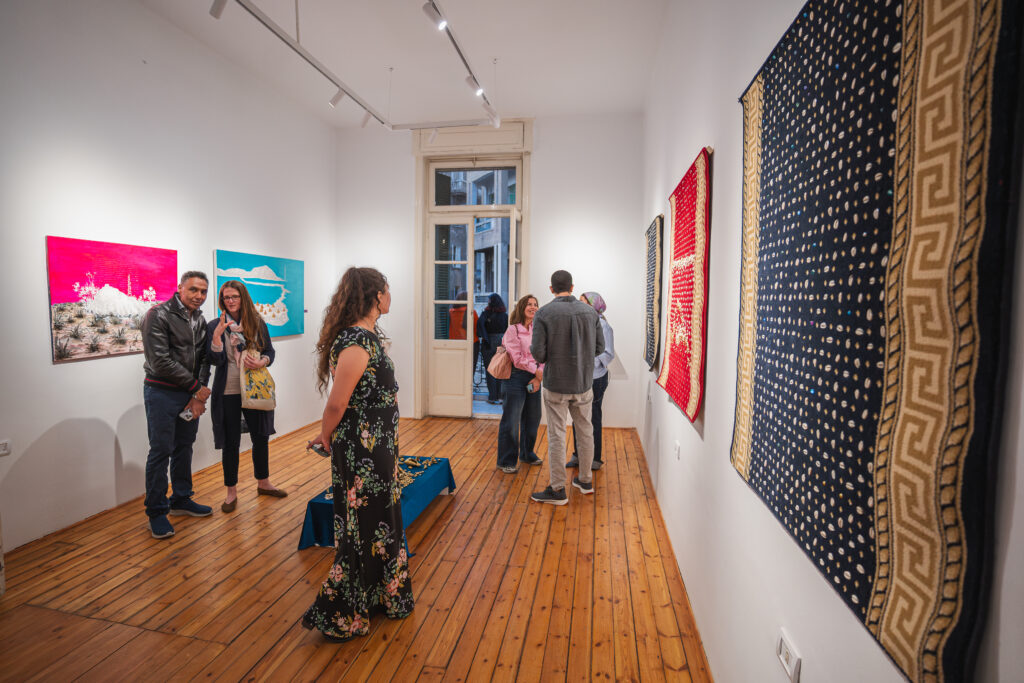
Maghraby contemplates the transformation of the value of sea shells and their transition from their simple innate environment to the heart of complex economic and social systems, where they presented as an evidence of luxury and adventure in unknown trade routes to become a symbol of wealth, protection and economic power for ages until the seventeenth century and beyond.
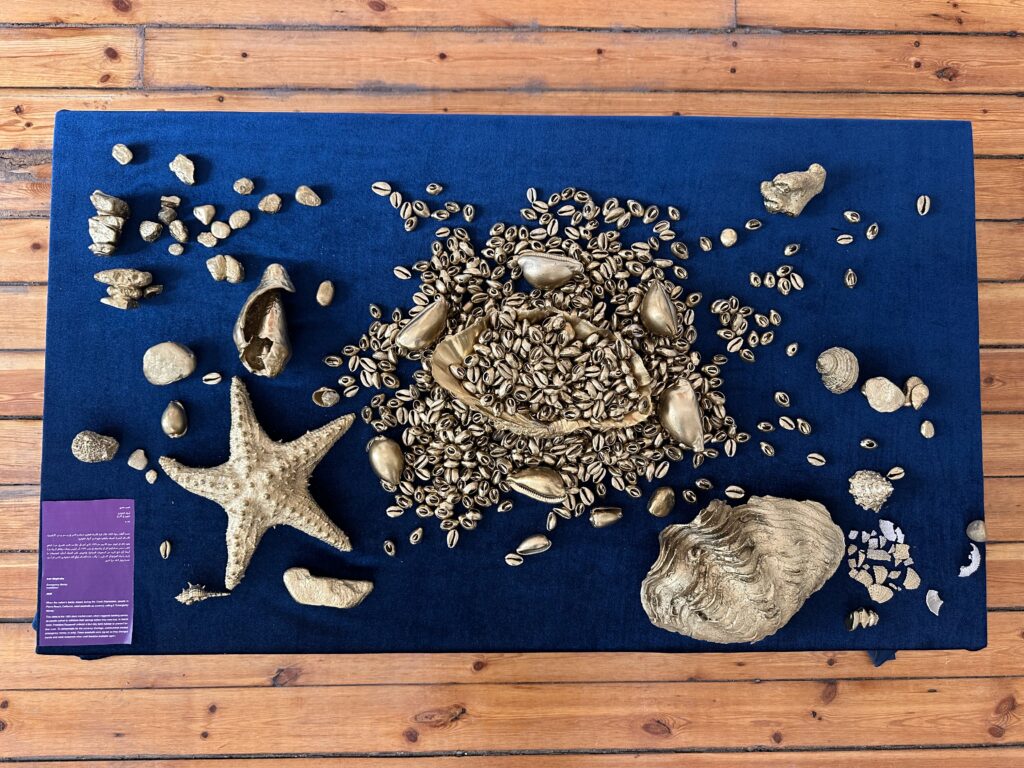
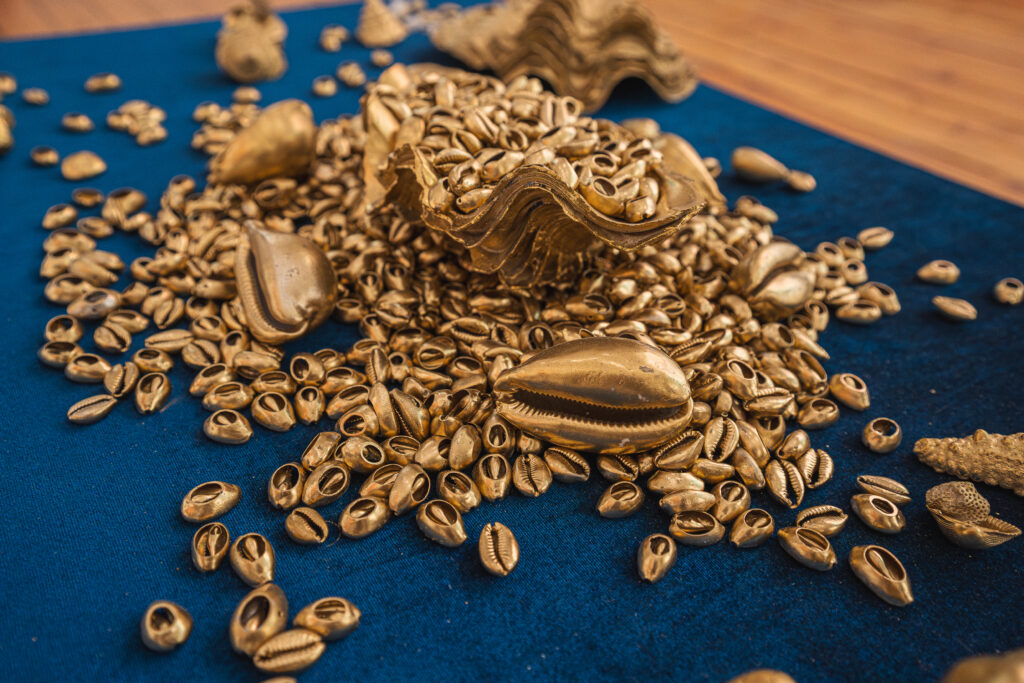
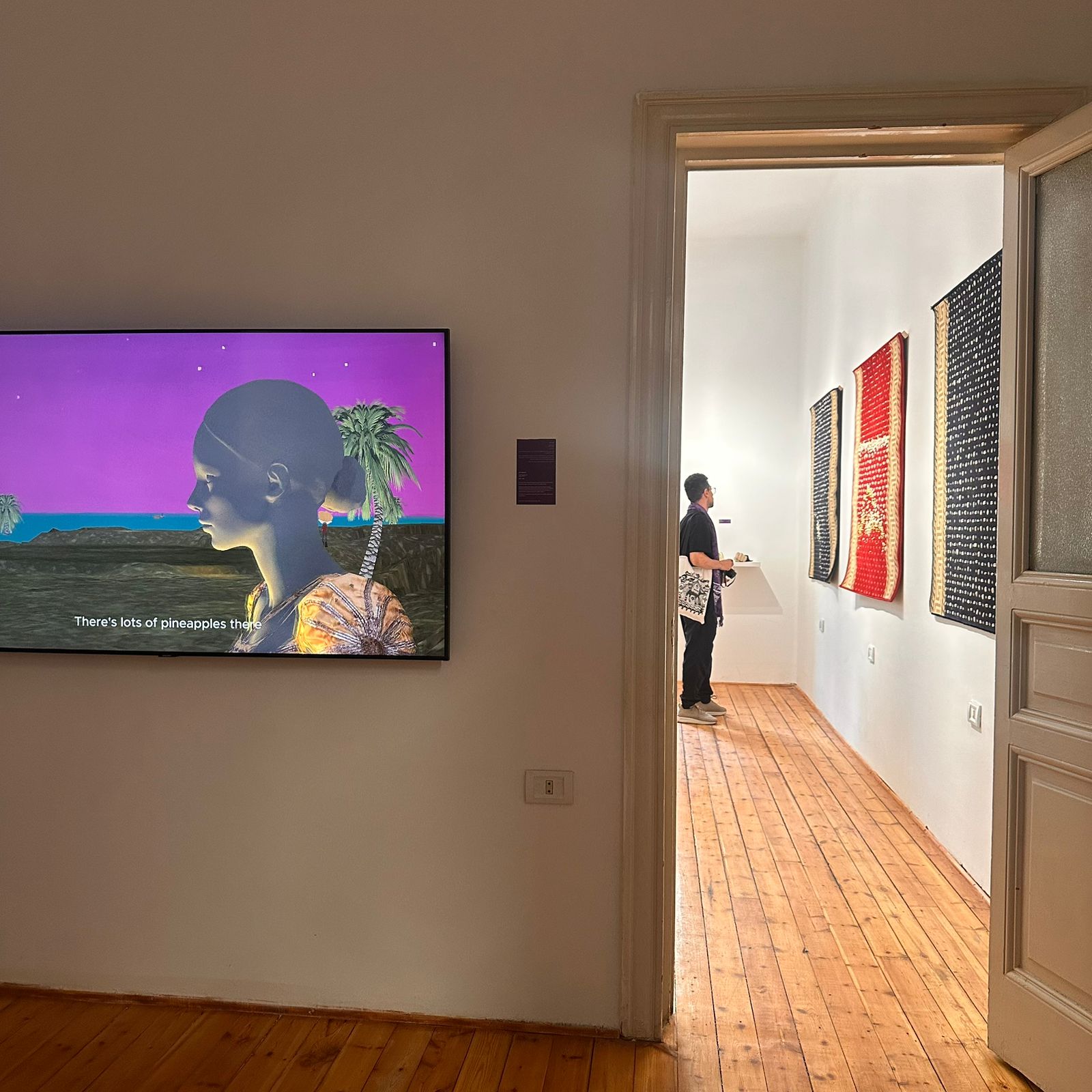
Through various media blending drawing, sculpture, installation, and video, the project invites the audience to question how our concept of scarcity is being reformulated within an accelerating digital world.
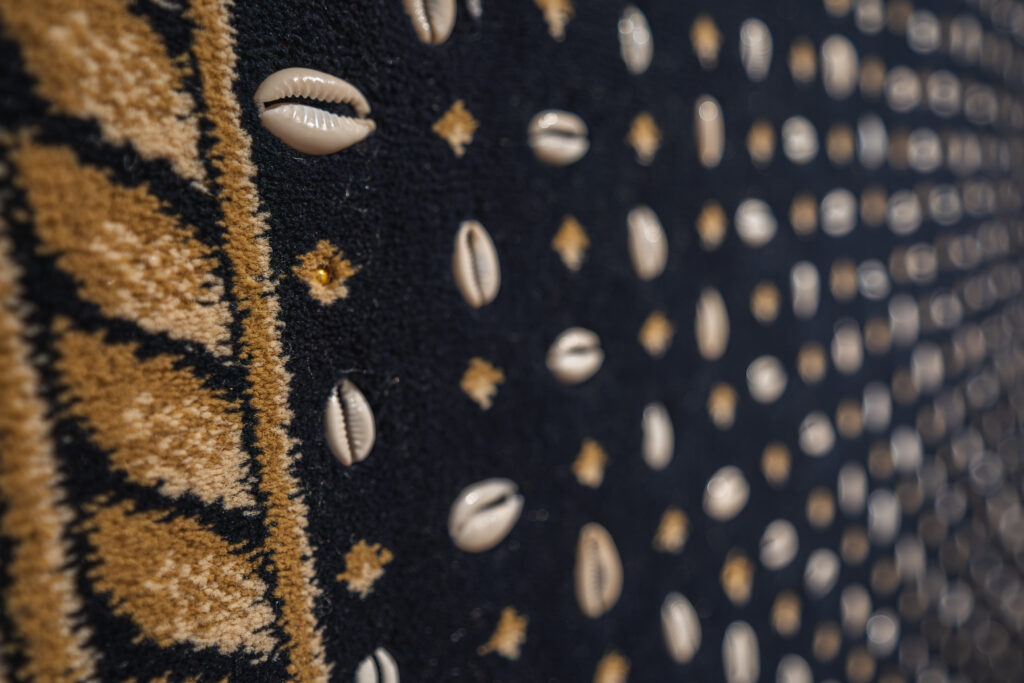
In Carpet Currency he introduces a new value system for shells based on scarcity and uniqueness, with each carpet featuring a unique pattern, creating value from a seamless interconnection that is difficult to replicate.
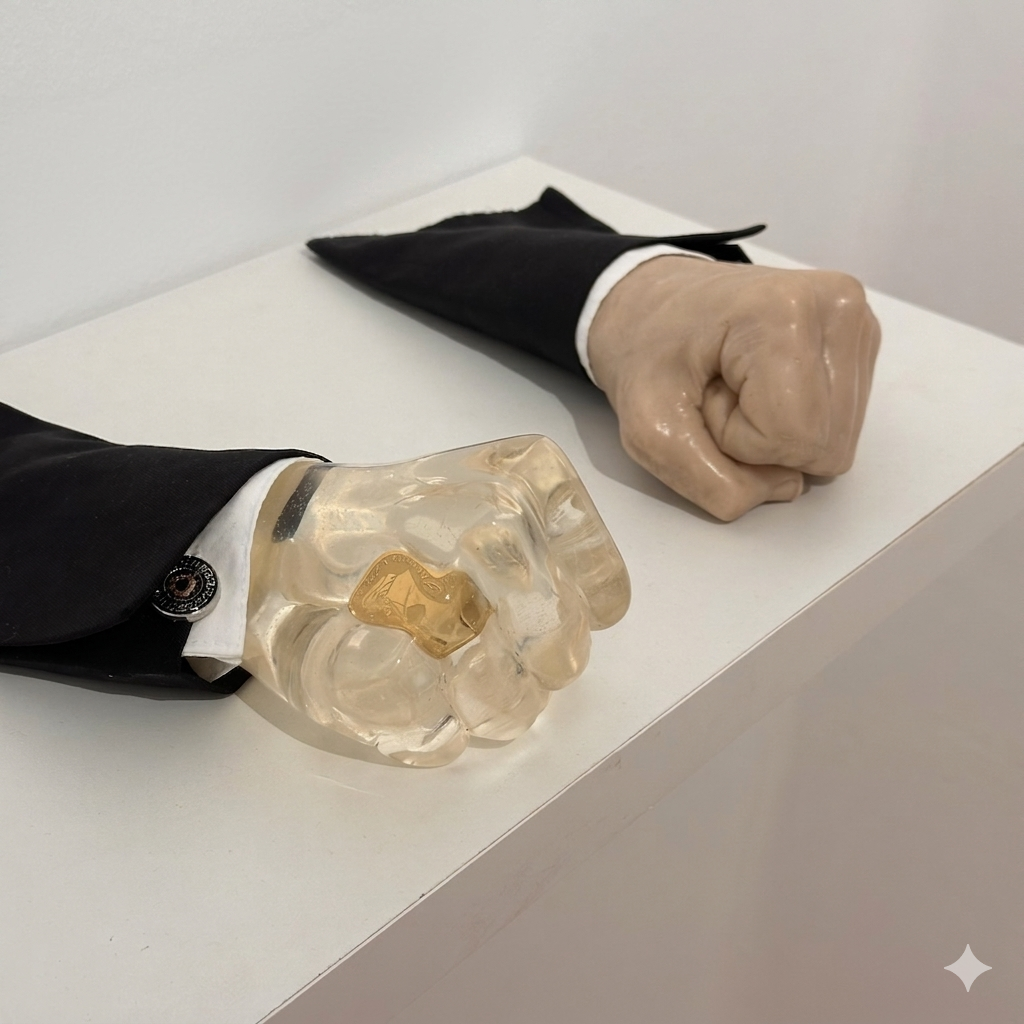
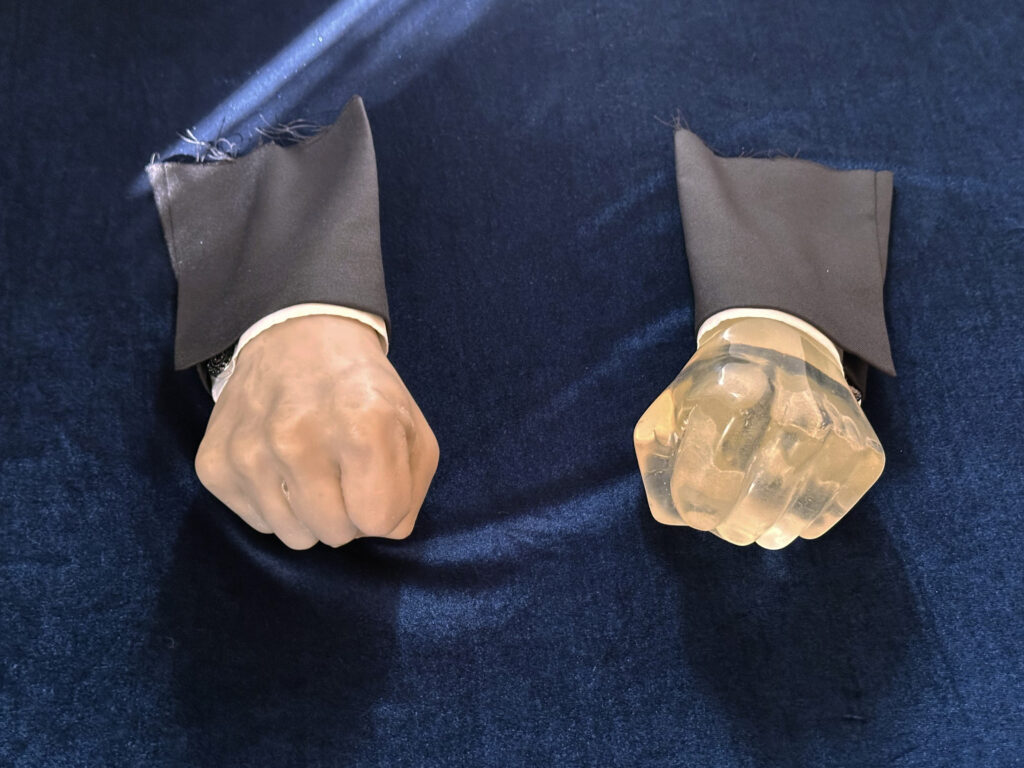
The work reflects on the choice under uncertainty, through a folk game that has appeared independently in many cultures across history. It’s a universal gesture of uncertain choice, where fate meets luck.